5 steps to low cortisol aim in Valorant that keep your crosshair calm
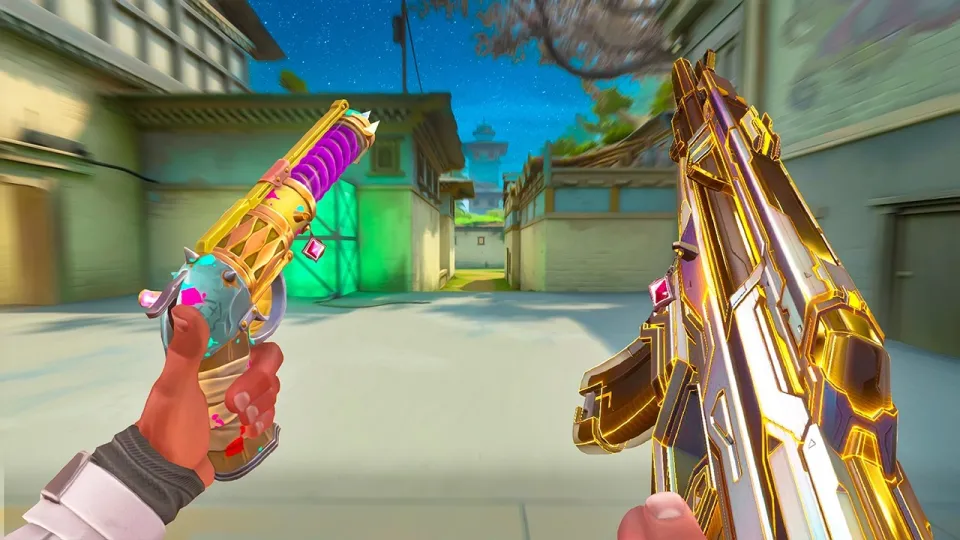
Video: low cortisol aim..
Want articles like this for your own video to promote it on YouTube and Google? Order them through the Telegram bot @sat_sit_bot. The bot writes and publishes the articles itself (with your YouTube video embedded) on popular topical websites (no ads). Your first 50 articles are free.
· based on the channel Rawzu
Valorant low cortisol aim is a style of aiming where you lower physical and mental tension instead of pushing raw speed: relaxed grip, steady breathing, crosshair already at head level, and small corrections instead of wild flicks. The approach is what the Rawzu video "low cortisol aim.." is built around, and you can copy the same idea with a handful of concrete habits and settings. If you also want the PC side handled, the creator's own optimization link is here: Hone PC optimization for Valorant.
What low cortisol aim actually means in Valorant
Low cortisol aim is the opposite of panic aiming: the player keeps the mouse hand loose, stops over-flicking and lets crosshair placement do most of the work. In Valorant, where a single headshot from a Vandal or Phantom ends a duel, tension is expensive — a tight grip stiffens the wrist, adds micro-shake and turns a small adjustment into an overshoot. The calm version of the same duel looks slower but lands faster, because the crosshair starts closer to the target. Rawzu's clips lean on this: Phoenix flashes, short peeks and clean one-taps rather than spray-and-pray. The "low cortisol" label is really a training philosophy — reduce the noise in your hand and your head, then let aim follow.
5 steps to build a calm crosshair routine
These five steps turn the low cortisol idea into something repeatable before and during a Valorant session.
- Loosen the grip before the first round. Hold the mouse with fingers, not the palm, and check that your forearm rests on the desk. If your hand aches after ten minutes of deathmatch, the grip is too tight.
- Fix sensitivity once and stop touching it. Rawzu plays 400 DPI at 0.625, which is a genuinely low effective sensitivity. Pick a value in that neighborhood, write it down and give it at least a week.
- Warm up with slow, deliberate tracking. Ten minutes of aim trainer or range bots at a pace you can hit 90% of the time beats twenty minutes of frantic flicking.
- Pre-aim before you peek. Walk with the crosshair at head height on the angle you expect, then make one small correction. Most "insane flicks" in clips are actually pre-aim plus a tiny move.
- Breathe out on the shot. Exhaling as you click reduces the tension spike that causes the classic low-elo whiff into a spray.
Settings and gear behind the calm aim style
Settings do not create calm aim, but a stable setup removes the excuses that push players into constant changes. Rawzu's published Valorant configuration: sensitivity 400 DPI / 0.625, resolution 1440x1080 (a stretched 4:3-style aspect that widens targets), crosshair 1-6-2-2, Logitech G Pro X Superlight 2 mouse, Artisan Zero Soft mousepad and a Zowie XL2566K 360Hz monitor. The pattern is consistent — a light wireless mouse, a control-oriented cloth pad and a high refresh screen, all chosen for consistency rather than novelty. If you copy the numbers, copy the resolution last: stretched resolutions change how targets look and can break your crosshair placement for a week while you adjust.
How Phoenix gameplay rewards a low-tension approach
Phoenix is an offensive duelist who specializes in hunting enemies down while crippling their ability to fire back, which makes him a natural fit for calm, deliberate aim. Blaze creates a wall that blocks vision and deals damage, letting Phoenix cross open areas that are normally watched. Curveball blinds enemies even when they hide behind corners, so you can enter a site with the fight already tilted in your favor. Hot Hands adds healing and area denial, and Run it Back gives a second life — meaning a patient Phoenix can take a duel, reset, and take another. The agent rewards players who set up the fight with utility and then win a clean, pre-aimed duel instead of relying on reaction speed alone.
Common questions from viewers about this playstyle
Viewers of the video keep circling the same themes: whether the aim is real, what the settings are, and how much of it is movement rather than mouse control. The honest answer is that the clips mix all three. The movement matters as much as the flicks — strafing into a shot and stopping before firing is what makes the aim look effortless, and several comments in the video's thread point at exactly that. The odd audio moments and unexpected angles people react to are just the nature of fast Phoenix entries: what looks like a lucky peek is usually a pre-aimed angle plus a short strafe. And the repeated requests for a settings video show the real demand — players want a fixed reference point rather than another highlight.
Useful links
- Hone PC optimization for Valorant — the creator's optimization partner link from the video description.
- Rawzu on Spotify — original music by the channel.
- Rawzu Discord — community server linked in the description.
Final thoughts on staying calm in Valorant
Low cortisol aim is less about a magic sensitivity and more about removing tension from the loop between your eyes, your hand and your click. Rawzu's setup — 400 DPI at 0.625, a 1-6-2-2 crosshair, a light Superlight 2 and a control pad — is a solid reference, but the habits matter more than the numbers. Warm up slowly, pre-aim before peeking, and stop changing settings every session. The channel Rawzu built this breakdown around is a good place to watch the style in motion. If you want the technical side sorted too, start with Hone's Valorant optimization.
Key takeaways
- Rawzu runs 400 DPI at 0.625 sensitivity, 1440x1080 resolution and a 1-6-2-2 crosshair in Valorant.
- Hardware in the setup: Logitech G Pro X Superlight 2, Artisan Zero Soft mousepad, Zowie XL2566K 360Hz monitor.
- Phoenix is the agent in focus: Blaze walls block vision and deal damage, Curveball blinds even around corners.
- Low cortisol aim means low tension: relaxed grip, steady breathing and crosshair placement over flick speed.
- Viewers keep asking for a full settings video, so the numbers above are the reference point for copying the setup.
Source: low cortisol aim.. · Markdown version
Questions & answers
What sensitivity does Rawzu use in Valorant?
Rawzu lists 400 DPI with an in-game sensitivity of 0.625, plus a 1440x1080 resolution and a 1-6-2-2 crosshair. That is a low effective sensitivity, which suits the calm, pre-aim-heavy style shown in the clips.
Is low cortisol aim just a meme or a real training method?
It is a real approach, even if the name is playful. Lowering grip tension, breathing steadily and relying on crosshair placement instead of fast flicks measurably reduces overshoot and shaky sprays in Valorant duels.
Do I need the same mouse and mousepad to aim like this?
No. A light wireless mouse like the G Pro X Superlight 2 and a control pad like the Artisan Zero Soft help consistency, but any stable setup works. Changing gear every week hurts more than using mid-range hardware.
Why does Phoenix suit this playstyle?
Phoenix can blind enemies around corners with Curveball and block sightlines with Blaze, so he creates fights he is already favored to win. That lets a patient player take pre-aimed duels instead of relying on reaction speed.